


Proudly Serving Mesa, Arizona Home Buyers & Sellers
From Red Mountain to Dobson Ranch, Eastmark to Las Sendas — local knowledge makes all the difference when buying or selling your home.
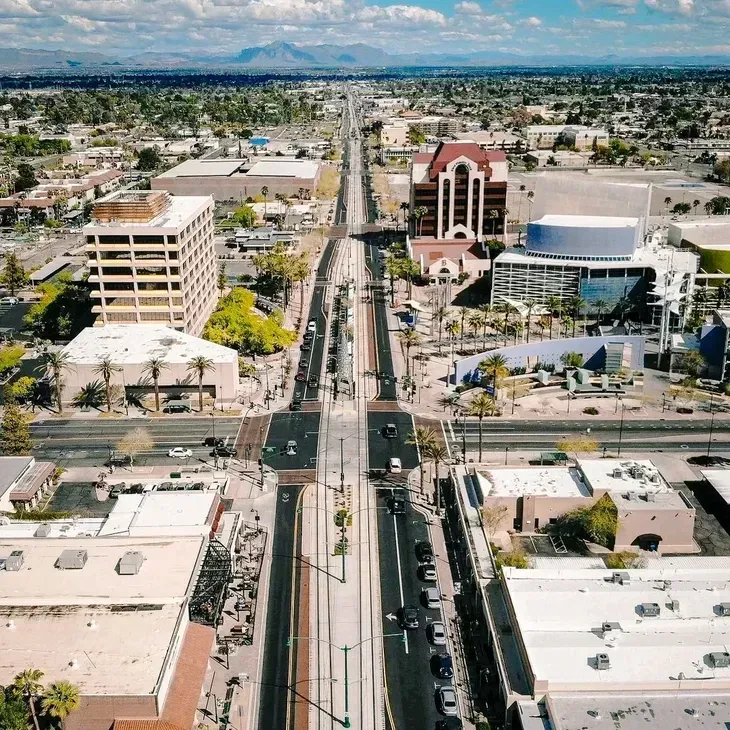
Living in Mesa, AZ
Mesa is the third-largest city in Arizona and one of the most established communities in the Phoenix metro area. With over 500,000 residents, Mesa offers a diverse mix of neighborhoods — from quiet suburban streets and master-planned communities to historic districts and new construction. Whether you're drawn to the family-friendly feel of Red Mountain, the established charm of Dobson Ranch, the newer master-planned community of Eastmark, or the luxury homes of Las Sendas, Mesa has a neighborhood for every lifestyle and budget. Conveniently located east of Phoenix and bordered by Tempe, Chandler, Gilbert, and Queen Creek, it's one of the most connected and livable cities in the Valley.
Buying or Selling a Home in Mesa
Mesa's real estate market is one of the most active in the Southeast Valley — and having someone who truly knows the neighborhoods makes all the difference. Whether you're searching for your first home near a top-rated Mesa school, upsizing to a larger property in East Mesa, or ready to sell and maximize your proceeds, every step of the process is handled personally. That means attending every inspection, walk-through, and closing appointment, keeping you informed after every showing, and negotiating hard on your behalf from offer to keys.
Everything You Need To Know About Living in Mesa, Arizona
Mesa's History
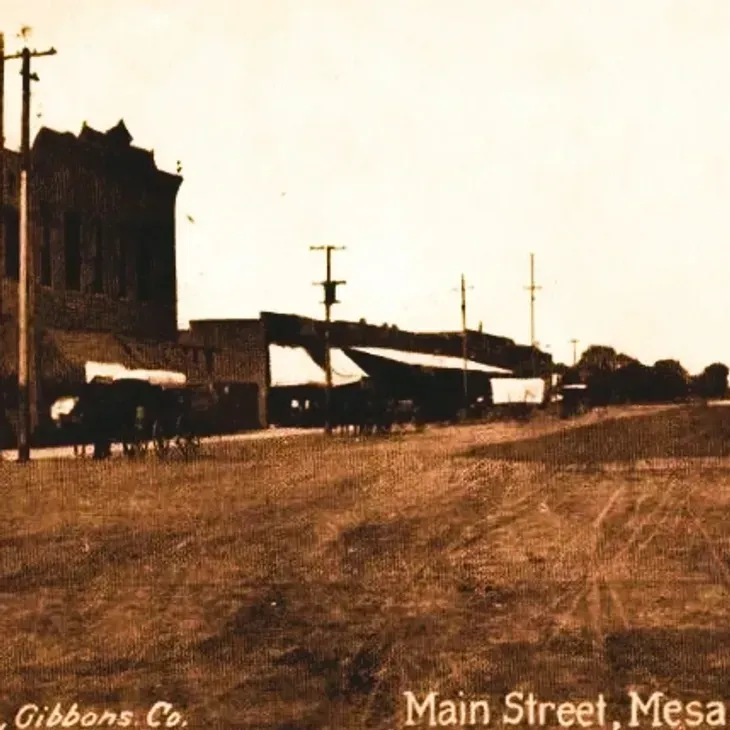
The history of Mesa dates back 2,000 years to the arrival of the Hohokam people whose name means "All used up" or "the departed ones". The Hohokam people built the original canal systems which were the largest and most sophisticated in the prehistoric New World, some as wide as 90 feet and 10 feet deep extending 16 miles across the dessert. As a result this transformed the Sonoran Dessert into an agricultural oasis, By A.D.1450, the Hohokam constructed hundreds of miles of canals, some of which are still in use today.
After the dissaperance of the Hohokam and before the arrival of early settlers little is known as the area was not explored again until the late 19th century when U.S. Army troops relocated the Apache, further opening the way for settlement.
Mormon pioneer Daniel Webster Jones, with Henry Clay Rogers left St. George, Utah in 1877 with the intent to establish a settlemnt in Arizona. They traveled South and settled on the North side of present day Mesa, originally known as Fort Utah and later Jonesville. Located about where Lehi Road is present day.
Around the same time, another group called the First Mesa Company arrived from Utah and Idaho with their leaders Francis Martin Pomeroy, Charles Crimson, George Warren Sirrine, and Charles I. Robson. Instead of joining the Jones' Lehi settlement, they moved up onto the Mesa that serves as the citys namesake. The second Mesa Company arrived in 1879 and settled West of the First Mesa Company. This settlement was originally called Alma and later Stringtown. It was located near where Alma Road is today.
On July 17, 1878, Mesa City was registered as a 1-square mile townsite. The first school was built in 1879. In 1883, Mesa City was incorporated with a population of 300 people. Dr. A. J. Chandler, who later went on to found the city of Chandler, worked on widening the canal in 1895 to allow for enough flow to build a power plant. In 1917, the city of Mesa purchased the utility company. revenues from the company provided enough capital for expenditures until the 1960's. During the Great Depression, funds provided paved streets, a new hospital, a new town hall and a library
After the founding of the city, elected official George Nicholas Goodman, aquired land for both Falcon Field and Williams Field. With the opening of Falcon Field and Williams Field in the early 1940's, more military personnel moved into the Mesa area.
With the advent of air conditioning and the rise of tourism, population growth exploded in Mesa as well as the Phoenix area. Industries such as early aerospace companies grew in the 1950's and 1960's. As late as 1960, half of the residents of Mesa made a living through agriculture, but this has declined substantially as Mesa's suburban growth continued on track with the rest of the Phoenix metro area.
Cultural Attractions
Miscellenous
- Hohokam Park
- Sloan Park
- Mesa Amphitheatre
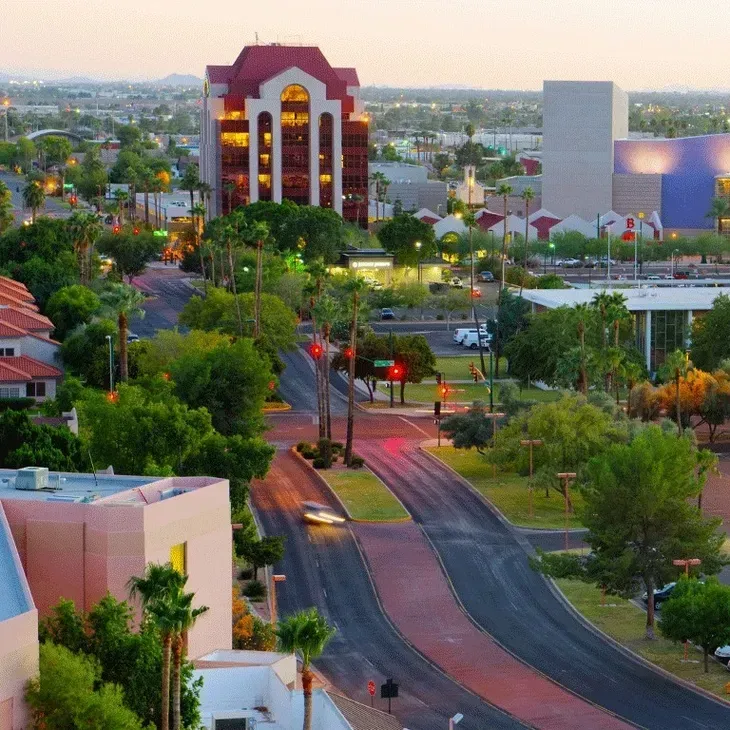
- The only highrise in Mesa is the Bank of America near Fiesta Mall
- Organ Stop Pizza, containing the worlds largest Wurlitzer organ
- Bell Bank Park, a 320 acre sports and recreation complex
Museums
- I.D.E.A. Museum
- Commemorative Air Force (Arizona Wing Aircraft Museum
- Mesa Contemporary Arts Museum, Mesa Art center
- Mesa Historical Museum
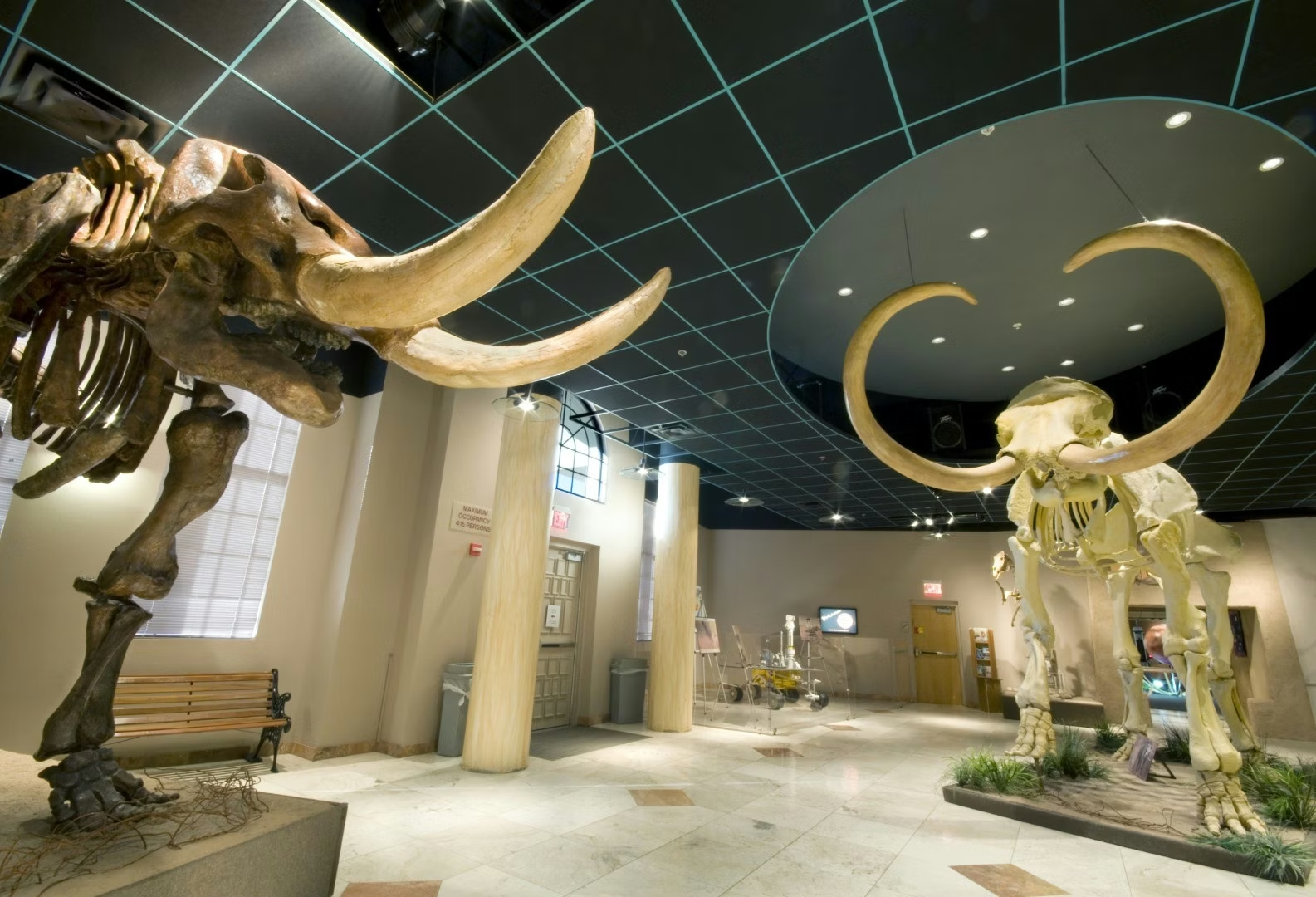
- Arizona Museum of Natural History
Archeological Sites
- Mesa Grande Ruins
- Park of the Canals
Public Libraries
- Main Library (MN)
- Dobson Ranch Branch (BR)
- Mesa Express Library (MEL)
- Red Mountain Branch (RM)
Water Park
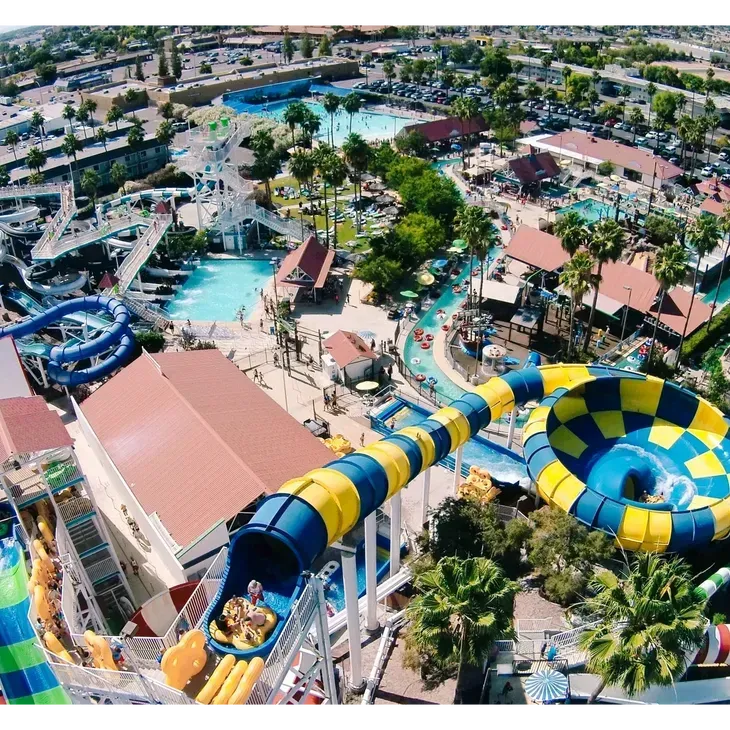
- Golfland Sunsplash waterpark on U.S. 60
Parks & Recreation
Mesa is home to over 2,280 acres of parkland within city limits. The crown jewel is Red Mountain Park — a 1,146-acre regional park featuring a lake, playgrounds, a basketball court, and a volleyball court, with Red Mountain itself as a dramatic desert backdrop.
Golf is a major part of Mesa's identity, with numerous championship courses throughout the city including the historic Mesa Country Club, founded in the late 1940s by the city's original leaders. Country Club Drive — one of Mesa's most prominent streets — was originally the entrance to the club.
Shopping and retail are equally well-served. West Mesa is anchored by Fiesta Mall and Mesa Riverview, an outdoor retail center near Loop 202 and Dobson Road featuring Bass Pro Shops, Cinemark, Walmart, and Home Depot. In East Mesa, Superstition Springs Center offers a full-scale mall experience with Dillard's, JCPenney, and Macy's, plus an outdoor amphitheater and fountain.
For families with kids, Golfland Sunsplash on US-60 is a go-to water park destination during Arizona's warm months.
Education in Mesa
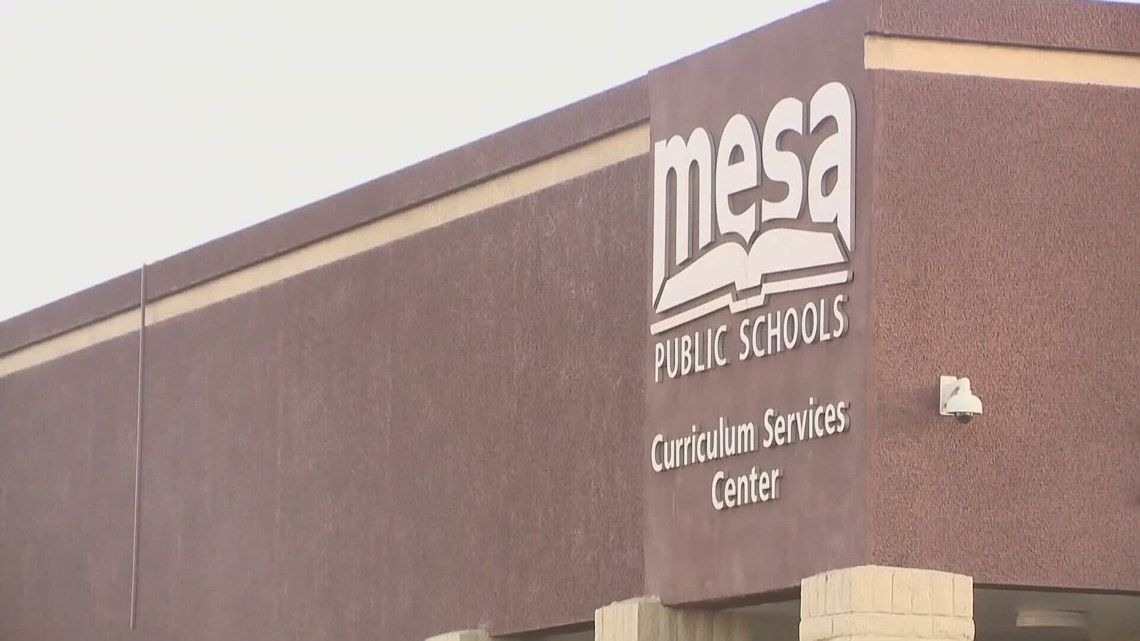
Mesa is served primarily by Mesa Public Schools — one of the largest school districts in Arizona — which covers the vast majority of the city with highly rated elementary, middle, and high schools. Portions of southern Mesa are also served by Gilbert Public Schools and Queen Creek Unified School District, while a small western section falls within the Tempe Elementary and Tempe Union High School districts.
For higher education, Mesa is home to Mesa Community College, the largest of the Maricopa Community Colleges with over 24,000 students enrolled. Arizona State University's Polytechnic campus sits in southeast Mesa, serving over 6,000 undergraduate and graduate students in science, engineering, and technology fields. A.T. Still University also operates an Osteopathic Medical School in Mesa, and the CAE Global Academy Phoenix aviation school rounds out the city's strong higher education offerings.
For families relocating to Mesa, the combination of strong public schools, proximity to ASU Polytechnic, and access to community college resources makes it one of the most education-rich communities in the Southeast Valley.
Thinking About Buying or Selling a Home in Mesa?
Get honest guidance and hands-on support from a local Realtor who knows Mesa's neighborhoods and shows up for every step of the process — from your first search to closing day.